
The 100th anniversary of The Great Gatsby in 2025 marks a century since F. Scott Fitzgerald's iconic novel was first published, forever shaping American literature. The novel, set during the Roaring Twenties, delves into themes of wealth, love, and the American Dream, and continues to captivate readers with its vivid portrayal of an era defined by excess and disillusionment. Over the past hundred years, Gatsby's tragic pursuit of an idealized version of life has sparked countless interpretations, ensuring its enduring relevance. As we reflect on its anniversary, The Great Gatsby remains a poignant exploration of societal values and personal desires. The novel’s continued popularity, through various adaptations and scholarly analyses, attests to its timeless appeal and cultural significance.


 1920 : the year that made the decade roar
by
Acclaimed author Eric Burns investigates the year of 1920, which was not only a crucial twelve-month period of its own, but one that foretold the future, foreshadowing the rest of the 20th century and the early years of the 21st, whether it was Sacco and Vanzetti or the stock market crash that brought this era to a close.
1920 : the year that made the decade roar
by
Acclaimed author Eric Burns investigates the year of 1920, which was not only a crucial twelve-month period of its own, but one that foretold the future, foreshadowing the rest of the 20th century and the early years of the 21st, whether it was Sacco and Vanzetti or the stock market crash that brought this era to a close.
 New world coming : the 1920s and the making of modern America
by
To an astonishing extent, the 1920s resemble the turn of the twenty-first century; in many ways that decade was a precursor of modern excesses. Bookended by the easy living of the Jazz Age, when the booze and money flowed seemingly without end, and the crash of '29 that led to breadlines and suffering, the images of the 1920s include jazz, bootleggers, flappers, talkies, the Model T Ford, Babe Ruth, Charles Lindbergh. But it was also the era of the hard-won vote for women, racial injustice, censorship, widespread social conflict, and the birth of organized crime. As unprecedented economic prosperity and sweeping social change dazzled the public, the sensibilities and restrictions of the nineteenth century vanished, and America became, for the first time, thoroughly modernized. There is hardly a dimension of our present world that doesn't trace its roots to the 1920s, and few decades are more intriguing or significant today
New world coming : the 1920s and the making of modern America
by
To an astonishing extent, the 1920s resemble the turn of the twenty-first century; in many ways that decade was a precursor of modern excesses. Bookended by the easy living of the Jazz Age, when the booze and money flowed seemingly without end, and the crash of '29 that led to breadlines and suffering, the images of the 1920s include jazz, bootleggers, flappers, talkies, the Model T Ford, Babe Ruth, Charles Lindbergh. But it was also the era of the hard-won vote for women, racial injustice, censorship, widespread social conflict, and the birth of organized crime. As unprecedented economic prosperity and sweeping social change dazzled the public, the sensibilities and restrictions of the nineteenth century vanished, and America became, for the first time, thoroughly modernized. There is hardly a dimension of our present world that doesn't trace its roots to the 1920s, and few decades are more intriguing or significant today
 The jazz age : American style in the 1920s
by
Selected for Arab America's Best Arab American Books of 2020 list. It comes as little surprise that Hollywood films have traditionally stereotyped Arab Americans, but how are Arab Americans portrayed in Arab films, and just as importantly, how are they portrayed in the works of Arab American filmmakers themselves? In this innovative volume, Mahdi offers a comparative analysis of three cinemas, yielding rich insights on the layers of representation and the ways in which those representations are challenged and disrupted. Hollywood films have fostered reductive imagery of Arab Americans since the 1970s as either a national security threat or a foreign policy concern, while Egyptian filmmakers have used polarizing images of Arab Americans since the 1990s to convey their nationalist critiques of the United States. Both portrayals are rooted in anxieties around globalization, migration, and US-Arab geopolitics. In contrast, Arab American cinema provides a more complex, realistic, and fluid representation of Arab American citizenship and the nuances of a transnational identity. Exploring a wide variety of films from each cinematic site, Mahdi traces the competing narratives of Arab American belonging--how and why they vary, and what's at stake in their circulation.
The jazz age : American style in the 1920s
by
Selected for Arab America's Best Arab American Books of 2020 list. It comes as little surprise that Hollywood films have traditionally stereotyped Arab Americans, but how are Arab Americans portrayed in Arab films, and just as importantly, how are they portrayed in the works of Arab American filmmakers themselves? In this innovative volume, Mahdi offers a comparative analysis of three cinemas, yielding rich insights on the layers of representation and the ways in which those representations are challenged and disrupted. Hollywood films have fostered reductive imagery of Arab Americans since the 1970s as either a national security threat or a foreign policy concern, while Egyptian filmmakers have used polarizing images of Arab Americans since the 1990s to convey their nationalist critiques of the United States. Both portrayals are rooted in anxieties around globalization, migration, and US-Arab geopolitics. In contrast, Arab American cinema provides a more complex, realistic, and fluid representation of Arab American citizenship and the nuances of a transnational identity. Exploring a wide variety of films from each cinematic site, Mahdi traces the competing narratives of Arab American belonging--how and why they vary, and what's at stake in their circulation.
 So we read on: how The Great Gatsby came to be and why it endures.
by
"The 'Fresh Air' book critic investigates the enduring power of The Great Gatsby -- 'The Great American Novel we all think we've read, but really haven't.' Conceived nearly a century ago by a man who died believing himself a failure, it's now a revered classic and a rite of passage in the reading lives of millions. But how well do we really know The Great Gatsby? As Maureen Corrigan, Gatsby lover extraordinaire, points out, while Fitzgerald's masterpiece may be one of the most popular novels in America, many of us first read it when we were too young to fully comprehend its power. Offering a fresh perspective on what makes Gatsby great--and utterly unusual--So We Read On takes us into archives, high school classrooms, and even out onto the Long Island Sound to explore the novel's hidden depths, a journey whose revelations include Gatsby's surprising debt to hard-boiled crime fiction, its rocky path to recognition as a 'classic, ' and its profound commentaries on the national themes of race, class, and gender. With rigor, wit, and infectious enthusiasm, Corrigan inspires us to re-experience the greatness of Gatsby and cuts to the heart of why we are, as a culture, 'borne back ceaselessly' into its thrall. Along the way, she spins a new and fascinating story of her own"
So we read on: how The Great Gatsby came to be and why it endures.
by
"The 'Fresh Air' book critic investigates the enduring power of The Great Gatsby -- 'The Great American Novel we all think we've read, but really haven't.' Conceived nearly a century ago by a man who died believing himself a failure, it's now a revered classic and a rite of passage in the reading lives of millions. But how well do we really know The Great Gatsby? As Maureen Corrigan, Gatsby lover extraordinaire, points out, while Fitzgerald's masterpiece may be one of the most popular novels in America, many of us first read it when we were too young to fully comprehend its power. Offering a fresh perspective on what makes Gatsby great--and utterly unusual--So We Read On takes us into archives, high school classrooms, and even out onto the Long Island Sound to explore the novel's hidden depths, a journey whose revelations include Gatsby's surprising debt to hard-boiled crime fiction, its rocky path to recognition as a 'classic, ' and its profound commentaries on the national themes of race, class, and gender. With rigor, wit, and infectious enthusiasm, Corrigan inspires us to re-experience the greatness of Gatsby and cuts to the heart of why we are, as a culture, 'borne back ceaselessly' into its thrall. Along the way, she spins a new and fascinating story of her own"
 F. Scott Fitzgerald in Context
by
F. Scott Fitzgerald in context / edited by Bryant Mangum, Virginia Commonwealth University.
F. Scott Fitzgerald in Context
by
F. Scott Fitzgerald in context / edited by Bryant Mangum, Virginia Commonwealth University.
 F. Scott Fitzgerald and the American scene
by
Sirine, the heroine of this "deliciously romantic romp" (Vanity Fair) is thirty-nine, never married, and living in the Arab-American community of Los Angeles. She has a passion for cooking and works contentedly in a Lebanese restaurant, while her storytelling uncle and her saucy boss, Umm Nadia, believe she should be trying harder to find a husband. One day Hanif, a handsome professor of Arabic literature, an Iraqi exile, comes to the restaurant. Sirine falls in love and finds herself questioning everything she thought she knew about Hanif, as well as her own torn identity as an Arab-American.
F. Scott Fitzgerald and the American scene
by
Sirine, the heroine of this "deliciously romantic romp" (Vanity Fair) is thirty-nine, never married, and living in the Arab-American community of Los Angeles. She has a passion for cooking and works contentedly in a Lebanese restaurant, while her storytelling uncle and her saucy boss, Umm Nadia, believe she should be trying harder to find a husband. One day Hanif, a handsome professor of Arabic literature, an Iraqi exile, comes to the restaurant. Sirine falls in love and finds herself questioning everything she thought she knew about Hanif, as well as her own torn identity as an Arab-American.
 Paradise Lost: A Life of F. Scott Fitzgerald
by
Pigeonholed in popular memory as a Jazz Age epicurean, a playboy, and an emblem of the Lost Generation, F. Scott Fitzgerald was at heart a moralist struck by the nation's shifting mood and manners after World War I. In Paradise Lost, David Brown contends that Fitzgerald's deepest allegiances were to a fading antebellum world he associated with his father's Chesapeake Bay roots. Yet as a midwesterner, an Irish Catholic, and a perpetually in-debt author, he felt like an outsider in the haute bourgeoisie haunts of Lake Forest, Princeton, and Hollywood--places that left an indelible mark on his worldview. In this comprehensive biography, Brown reexamines Fitzgerald's childhood, first loves, and difficult marriage to Zelda Sayre. He looks at Fitzgerald's friendship with Hemingway, the golden years that culminated with Gatsby, and his increasing alcohol abuse and declining fortunes which coincided with Zelda's institutionalization and the nation's economic collapse. Placing Fitzgerald in the company of Progressive intellectuals such as Charles Beard, Randolph Bourne, and Thorstein Veblen, Brown reveals Fitzgerald as a writer with an encompassing historical imagination not suggested by his reputation as "the chronicler of the Jazz Age." His best novels, stories, and essays take the measure of both the immediate moment and the more distant rhythms of capital accumulation, immigration, and sexual politics that were moving America further away from its Protestant agrarian moorings. Fitzgerald wrote powerfully about change in America, Brown shows, because he saw it as the dominant theme in his own family history and life.
Paradise Lost: A Life of F. Scott Fitzgerald
by
Pigeonholed in popular memory as a Jazz Age epicurean, a playboy, and an emblem of the Lost Generation, F. Scott Fitzgerald was at heart a moralist struck by the nation's shifting mood and manners after World War I. In Paradise Lost, David Brown contends that Fitzgerald's deepest allegiances were to a fading antebellum world he associated with his father's Chesapeake Bay roots. Yet as a midwesterner, an Irish Catholic, and a perpetually in-debt author, he felt like an outsider in the haute bourgeoisie haunts of Lake Forest, Princeton, and Hollywood--places that left an indelible mark on his worldview. In this comprehensive biography, Brown reexamines Fitzgerald's childhood, first loves, and difficult marriage to Zelda Sayre. He looks at Fitzgerald's friendship with Hemingway, the golden years that culminated with Gatsby, and his increasing alcohol abuse and declining fortunes which coincided with Zelda's institutionalization and the nation's economic collapse. Placing Fitzgerald in the company of Progressive intellectuals such as Charles Beard, Randolph Bourne, and Thorstein Veblen, Brown reveals Fitzgerald as a writer with an encompassing historical imagination not suggested by his reputation as "the chronicler of the Jazz Age." His best novels, stories, and essays take the measure of both the immediate moment and the more distant rhythms of capital accumulation, immigration, and sexual politics that were moving America further away from its Protestant agrarian moorings. Fitzgerald wrote powerfully about change in America, Brown shows, because he saw it as the dominant theme in his own family history and life.
 Z (Audiobook)
by
Z (Audiobook)
by
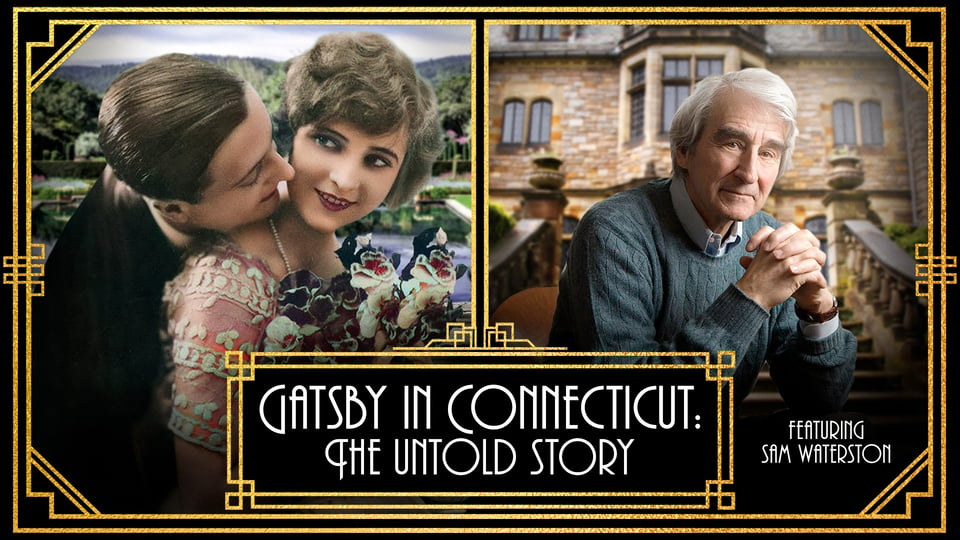 Gatsby in Connecticut: the Untold Story
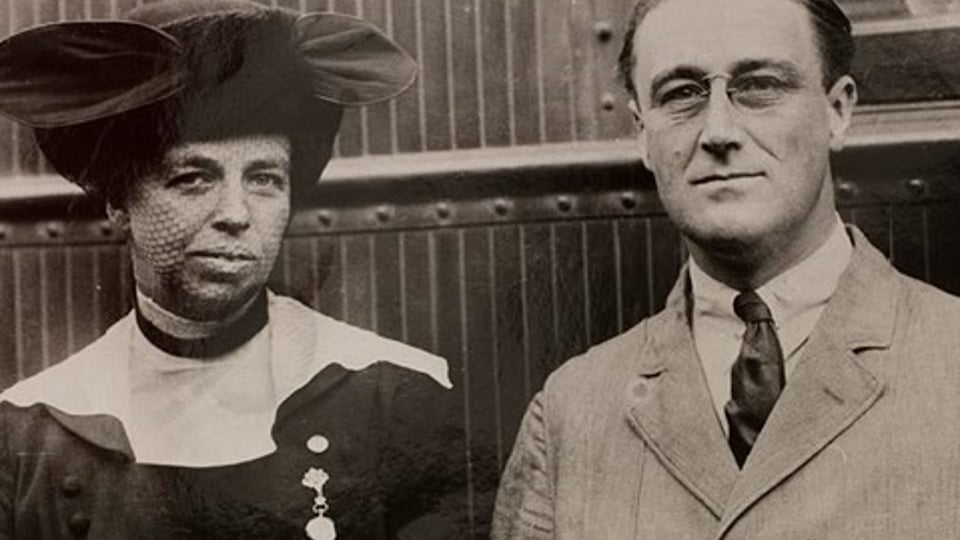 The Storm
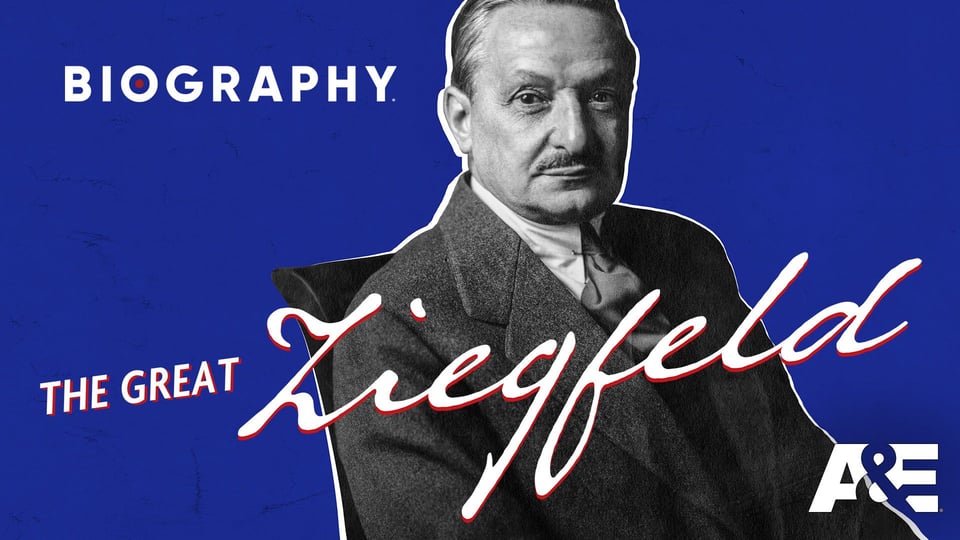 The Great Ziegfeld
In Daily Life through History, students and researchers discover the everyday details about past eras that make historical accounts relevant and meaningful. Includes reference articles, media, and documents.


